Arguments that return
When an argument keeps coming back, it is easy to assume it simply has not been solved yet. For most recurring arguments, that is not the case.
These arguments usually come from real differences between two people rather than from a failure to solve a problem, and discussion alone is unlikely to make one partner want what the other wants.
Trying to solve unsolvable problems is counterproductive, and no couple will ever completely eliminate them. However, discussing them is constructive and provides a positive opportunity for understanding and growth.
Marni Feuerman, The Gottman Institute
The surface and the need
The surface of an argument is what it appears to be about, like the dishes, money, or who forgot what. Underneath is what each of you needs, such as feeling considered, feeling like a priority, or feeling safe.
A recurring argument is often one where the surface changes and the need underneath goes unmet. You may settle the question of the dishes and then find yourselves arguing about something else, because the dishes were never the real issue.
Demand and withdraw
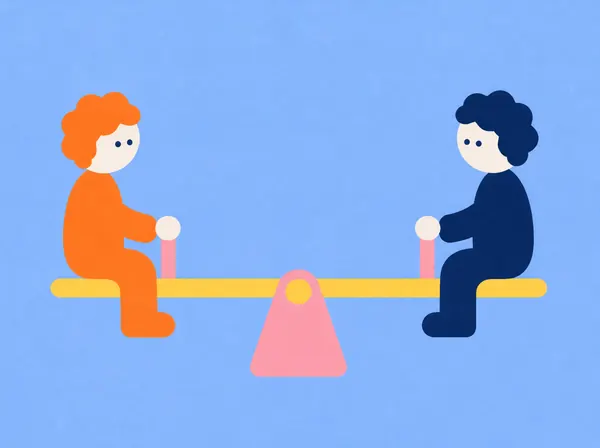
One pattern shows up more than any other. Researchers call it demand and withdraw. What we mean by that is one partner presses for a resolution while the other pulls away. It can feel like a flaw in one person’s character, and research shows it is better understood as a dynamic between two people.
The same two people often switch roles depending on who raised the subject, which is a clear sign that the pattern belongs to the relationship rather than to either individual.
Finding the need
Try this
Once things have calmed down, try asking a different question. Rather than asking what you are going to do about the problem, ask what each of you needed from the other in that moment.
The answer is often simpler than you expect. You may have needed to feel acknowledged, to be treated as a partner rather than a problem, or to know that the other person is still there when things are hard.
Living with a recurring disagreement
With a recurring disagreement, the goal is to reach a point where bringing it up feels safe for both of you.
Being in dialogue, the preferred status, is when the couple has learned to accept their differences on that topic even though minor arguments arise occasionally.
Marni Feuerman, The Gottman Institute
Maureen Werrbach of The Gottman Institute adds that, “When you accept your partner, you also accept their influence when discussing problems.”
Three dimensions in your Ambo results relate to this directly: Conflict Style, which describes how each of you responds to friction; Repairing, which describes what each of you needs before things feel finished; and Communicating Needs, which describes how openly each of you shares what is going on. Reading those three together can help the two of you understand your own pattern.